
Jump To:
RFID Blocking Wallets
Money Belts
Suitcase Locks
Zipper Anti-Theft Clips
Luggage Covers
Door Locks
Hidden Camera Detectors
Emergency Whistle
Compass and Maps
Learning to Say No
Places of Refuge
We live in a world where we must prepare for possible unsafe conditions and circumstances, whether they be thieves, pickpockets, scam artists, or those wishing to do us harm in other ways. However, with some common sense, a little forethought, some observational skills, and some basic preparations, you can travel safer. Here are a few tips and items that may help you to be safer as you wander this world.
RFID Blocking Wallets
RFID, or Radio Frequency Identification, blocking wallets prevent RFID skimmers from fraudulently using a RFID reader to wirelessly capture and steal your personal data off your credit and debit cards.
Buffway Slim Minimalist Front Pocket RFID Blocking Leather Wallets for Men and Women


Money Belts
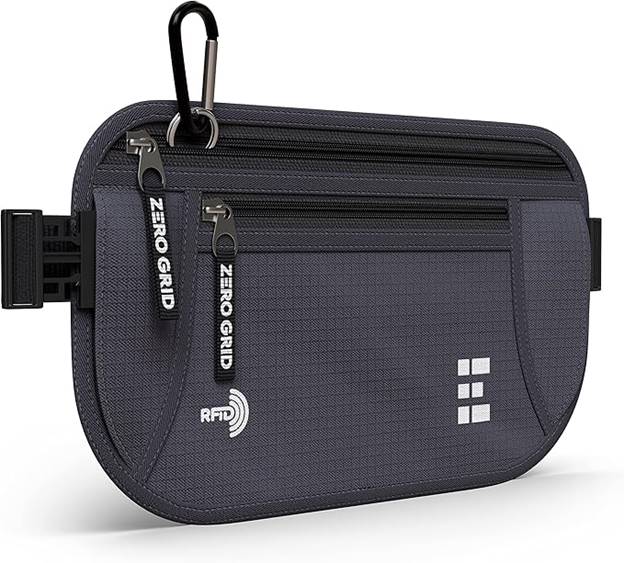
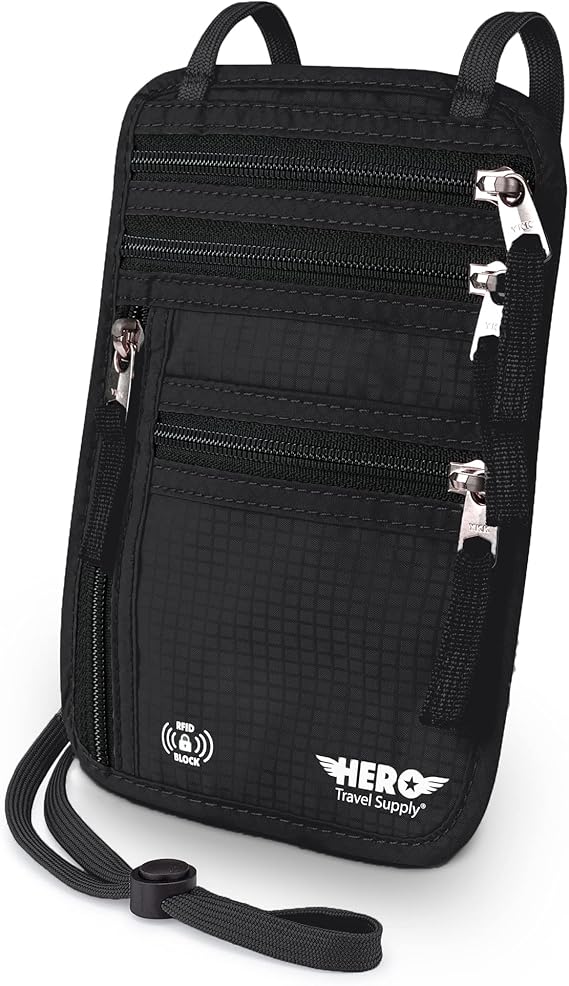
A money belt is a reassuring way to protect your valuables, such as your phone, passport, credit cards and cash, from pickpockets and thieves. Some money belts are secured under your shirt around your waist, while others are hung around your neck. Look for water resistant and RFID blocking options.
Suitcase Locks
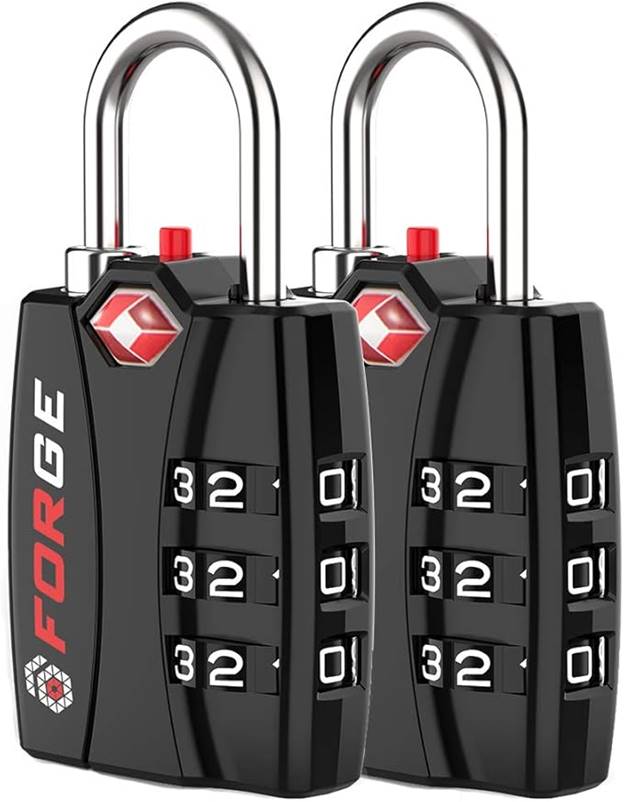
The right suitcase lock will help keep everyday thieves, and the odd dishonest baggage handler, from stealing things out of your luggage. Make sure they are TSA approved.


Zipper Anti-Theft Clips
Zipper Anti Theft Clips help to keep those pesky little fingers from grabbing what they want out of your zippered pockets and pouches, as they make it very difficult to quickly get into your pockets and pouches.


Luggage Covers
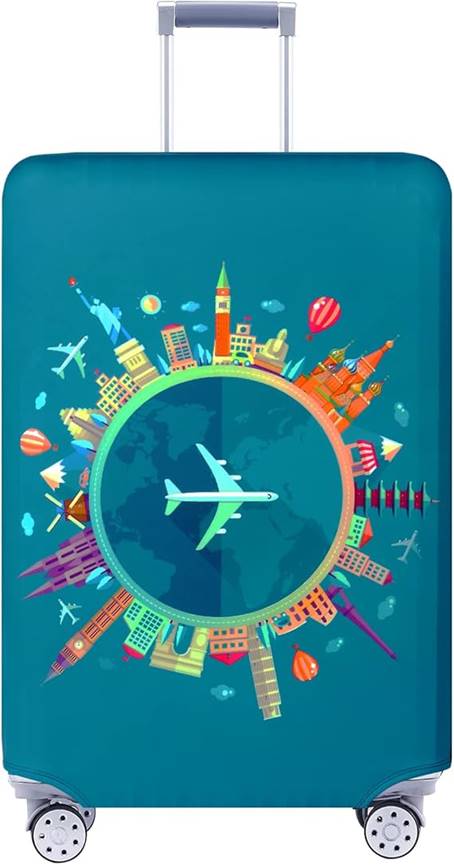
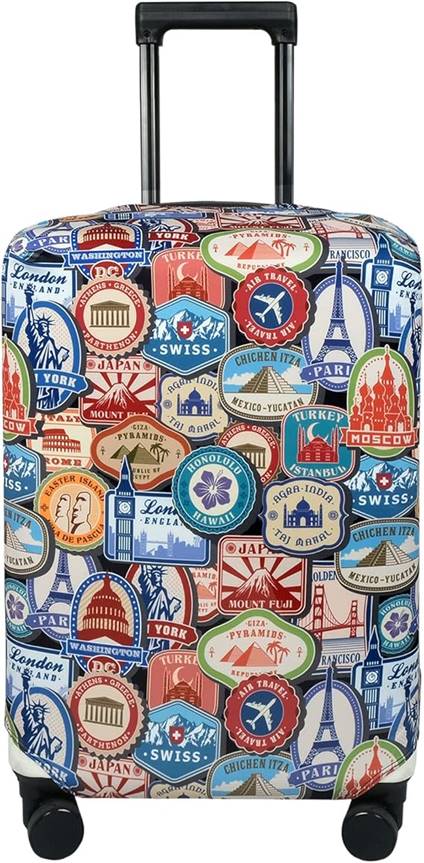
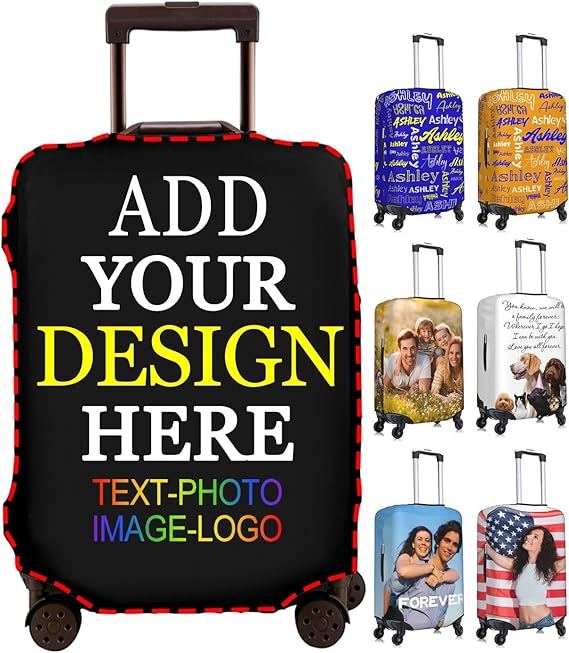
Luggage covers help to protect your luggage during the travel process from minor damage. They also help you quickly identify your bags among the many on a baggage carousel. Finally, they potentially help prevent thieves from easily accessing your zippered compartments.
Door Locks
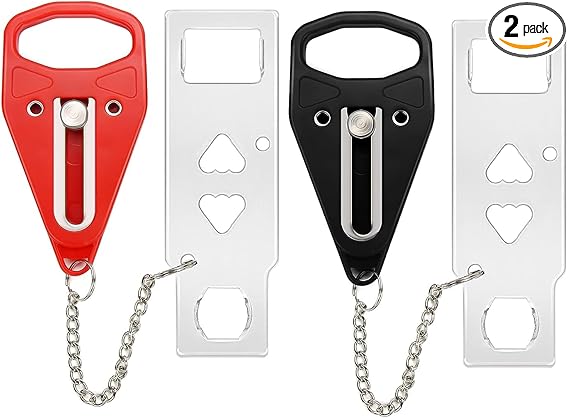
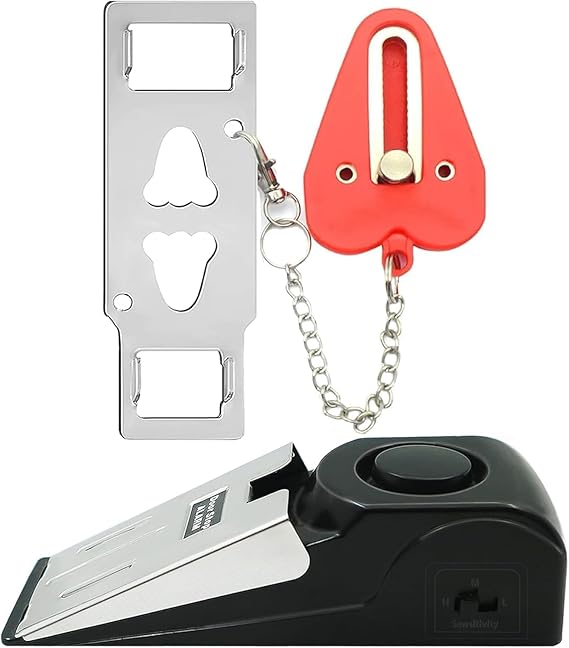
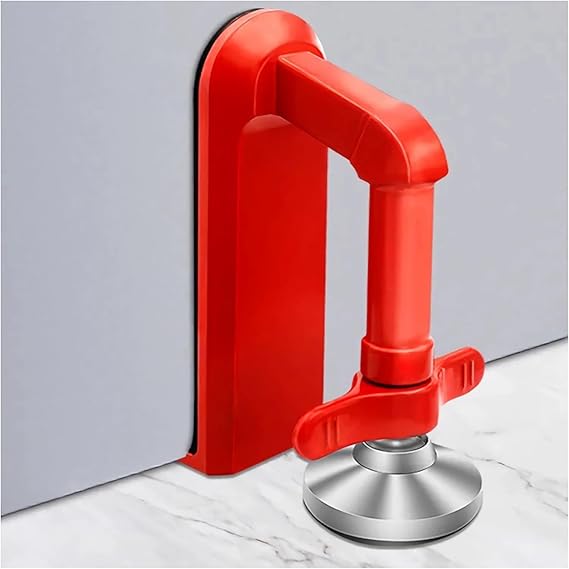
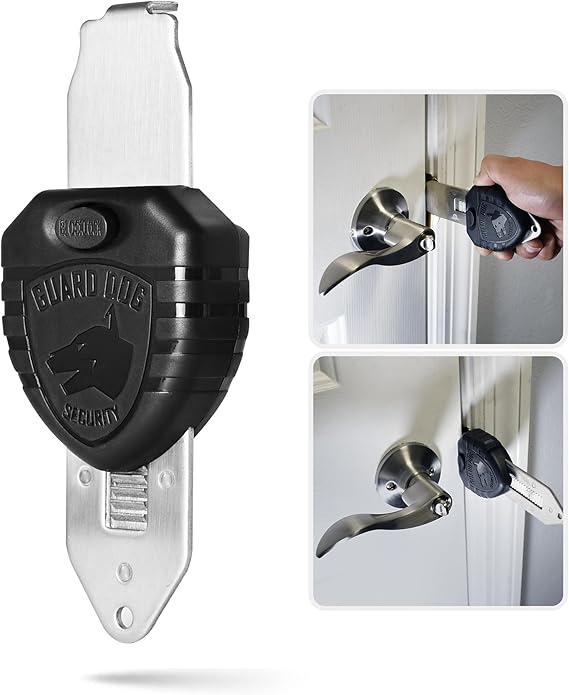
Whether you stay in a hotel, AirBNB, hostel, or tent, having a way or ways to secure the entry into your abode, will help keep you safe and help you have a better night’s sleep! There are various ways to secure your doors. Please note that different locks work on different types of doors. Here are a few that might help!
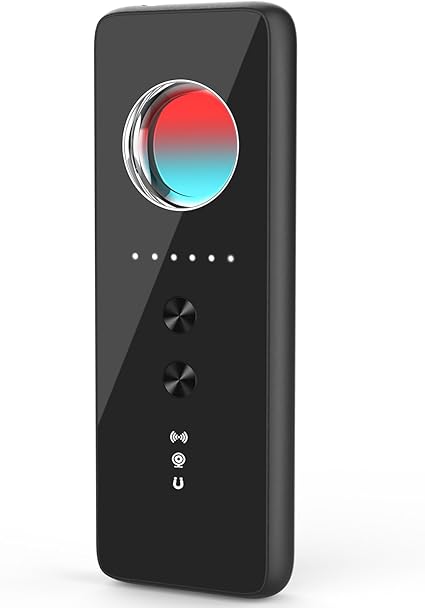
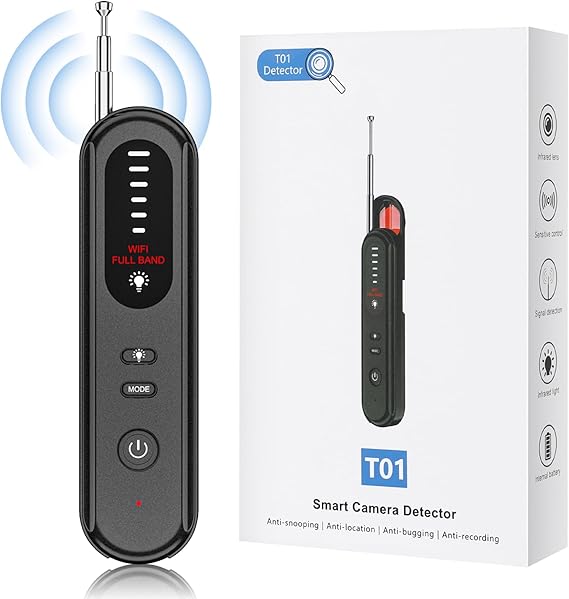
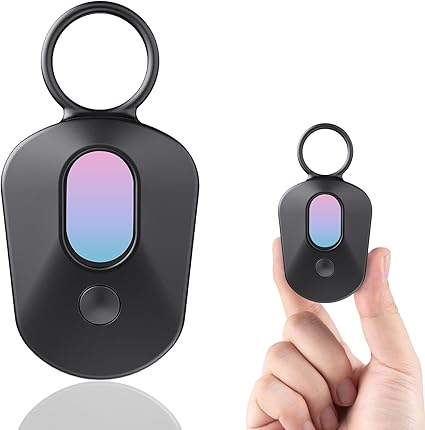
In the world we live in, we must prepare for a number of potentially traumatic scenarios. One of them is kidnapping and trafficking. Often traffickers use hidden cameras in hotel rooms and other locations to target potential victims. Along with always being aware of what is going on around you, and being very cautious of where you go and who you engage with, having a hidden camera detector is one way to hopefully protect yourself from this situation.
Emergency Whistle
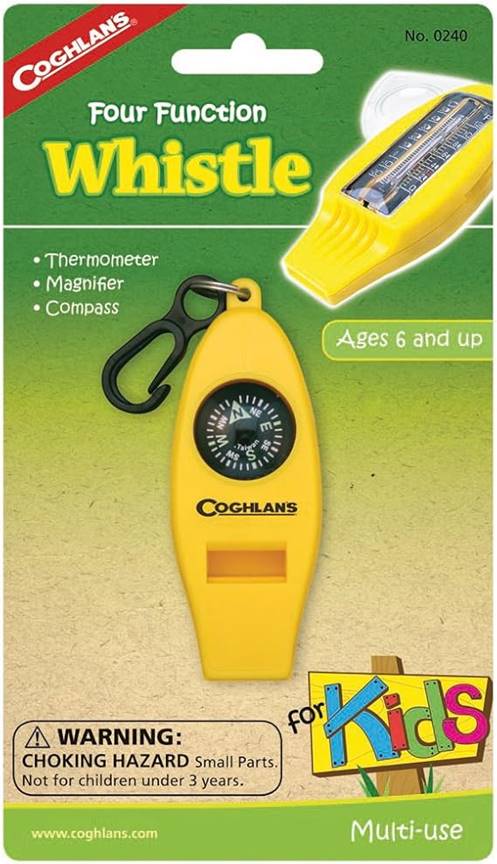
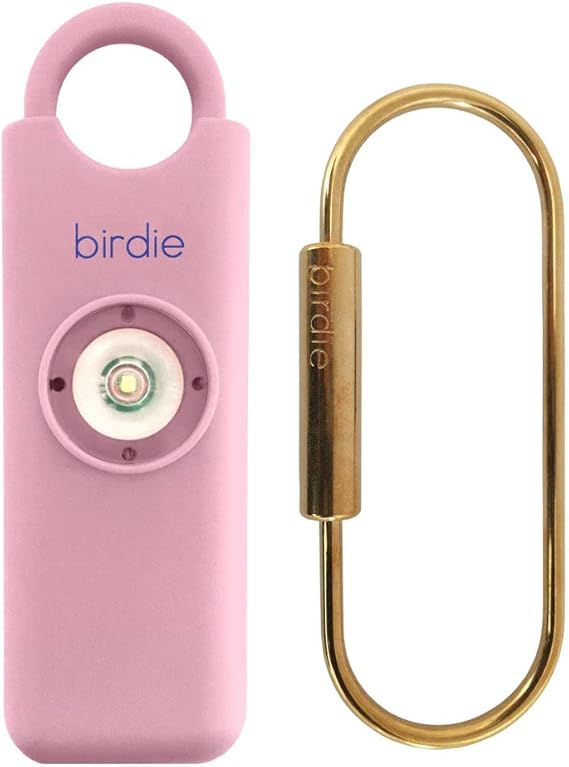
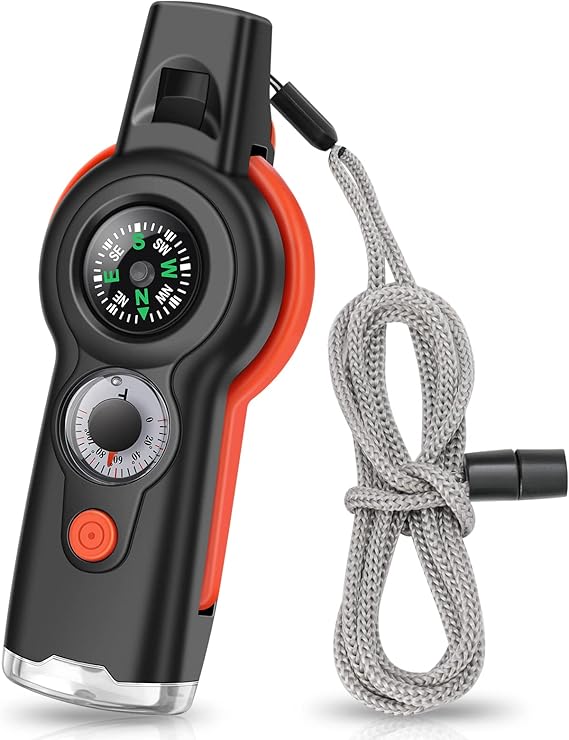
Every woman and child should be equipped with one or more ways to prevent or halt a physical attack. An emergency whistle is one of those ways. It draws attention to the attacker, hopefully causing him to run away for fear of detection or interference.

Compass and Maps
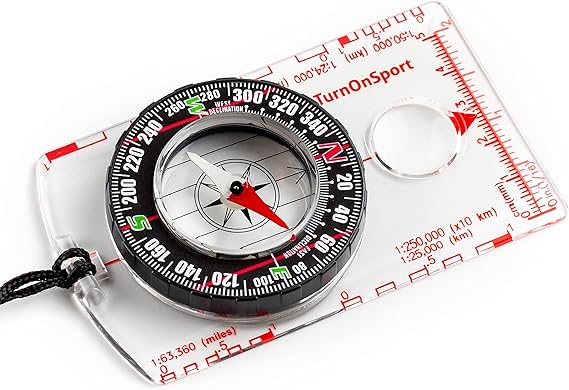
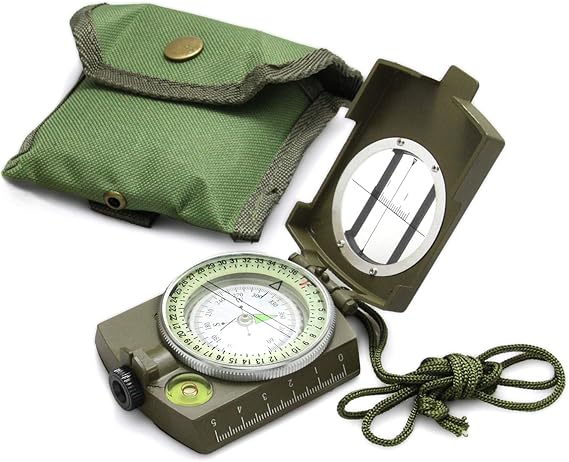
Many people depend on the GPS on their wireless phone to help them navigate in unfamiliar surroundings. But what if you are away from home and lose electricity for a number of days? Or what if you are out hiking with poor wireless service? Having and knowing how to use a compass and local map will come in handy!

Learning to Say No
Unfortunately, in many tourist places around the world, there are often a variety of scams that locals try to pull on unsuspecting tourists and travelers, whether it is an overpriced taxi ride, false directions, unclear terms, haggling, and even putting items in your hands or around your wrist or neck in an effort to pressure you into purchasing the item, if even just for the sake of making them go away and stop bothering you. Don’t fall for these tactics! Some are meant to distract you to pickpocket you! Learn to say: “No, thank you.” And walk away. Be skeptical of what is going on. Do not continue to engage them in conversation. Be firm and confident. Be aware, though, in some countries, saying anything is an invitation for hagglers. As much as you don’t want to be rude, ignoring them is sometimes the best option.
Places of Refuge
No matter where you wander, you should always know where your places of refuge are located. In buildings, take note of where emergency exits are located, as well as tornado, tsunami, or other, shelters. Be observant of what is going on around you at all times and know when it is best to avoid or leave a place. Your life is precious!
Before you travel, know and save in your GPS app the location of nearby hospitals, pharmacies, embassies, and consulates, as well as any other locations you feel are safe places of refuge, in the event of an emergency. You don’t want to wait until the emergency itself to try to search for these places. Time may be of the essence! And you will feel more prepared and secure knowing these things before you travel.
In the United States, websites such as travel.state.gov, can provide you with International Travel Information, including safety precautions, about the country you plan to visit. They also have the option to enroll in the Smart Traveler Enrollment Program (STEP) that gives you up-to-date safety information geared towards the location you are visiting. In addition, certain apps, such as Air Doctor, can provide you with the location of local trusted medical care.
Of course, be sure to purchase travel insurance before every trip. And consult with your medical team at home beforehand about any health conditions, vaccinations needed, or concerns you have or may encounter on your wanders.
There are many different travel insurance options available. Here is one we like:
Allianz Travel
https://www.allianztravelinsurance.com
Travel safe!
 New World Wanders